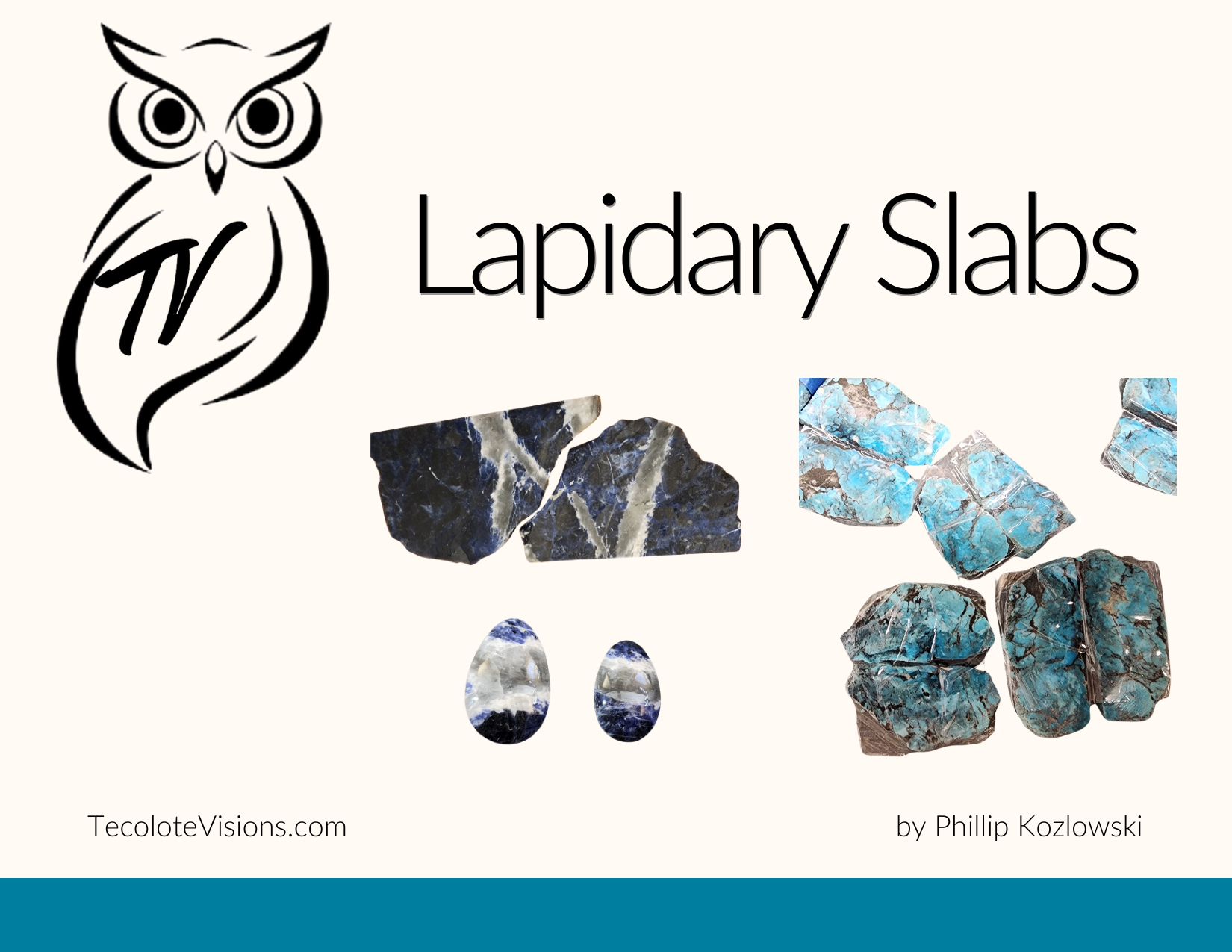
Slabs: A Guide for Woodworkers and Stone Enthusiasts
As a woodworker and artisan, I’ve spent years honing my skills in creating beautiful, custom jewelry and functional art. But in my journey of exploring the world of natural materials, I’ve come to appreciate the art of lapidary. Where stones are transformed into beautiful, polished gemstones and cabochons. Recently, I’ve had the opportunity to connect with lapidary artisans by cutting and selling slabs of stone, providing them with the raw materials they need to bring their vision to life.
In this blog post, I want to share my experience with cutting and selling slabs to lapidary artisans, and how this process can be mutually beneficial for both woodworkers and stone enthusiasts. If you’re considering getting into the slab-cutting business or simply want to learn more about the process, this post is for you!
What Is Lapidary, and Why Do Artisans Need Slabs?
Lapidary is the art of cutting, shaping, and polishing stones to create decorative objects, gemstones, and jewelry. From amethyst to turquoise, lapidary artisans work with a variety of natural stones, transforming raw materials into stunning cabochons, beads, and pendants.
A key part of lapidary work involves slabs. Flat, sliced portions of rough stone that provide a perfect surface for shaping. Slabs come in all shapes, sizes, and types of stone. Some lapidary artists work directly with rough stones, while others prefer to start with pre-cut slabs. Slabs offer more control over the design process and allow artists to access different parts of a stone’s natural beauty.
As a woodworker, cutting slabs from raw stone into manageable pieces is a skill that allows you to serve the needs of lapidary artisans while expanding your own creative potential.
How I Got Started in Slab Cutting
It all began when I started experimenting with stone in my jewelry pieces. My primary focus was woodworking, but I was captivated by the beauty of natural stones like jasper, agate, and turquoise. I wanted to incorporate them into my creations. But sourcing the right stone and shaping it into something wearable felt daunting.
That’s when I discovered the world of slab cutting. With the right tools and a bit of research, I learned how to cut, shape, and polish stones, making them perfect for lapidary work. As I became more experienced, I realized that there was a demand from other artisans for high-quality, well-cut slabs. Many lapidary artists prefer to work with pre-slabbed material, especially for rarer stones or stones that are difficult to find in markets.
This led me to begin cutting and selling slabs to fellow lapidary artisans. A decision that opened up new possibilities both for my own work and for the community of artists I was eager to connect with.
The Process of Cutting Slabs
If you’re new to cutting slabs, here’s a basic overview of the process:
- Choosing the Right Stone
Selecting a stone is the first step. I consider factors like hardness, texture, and color, as these elements impact how the stone will cut and polish. Some popular stones for lapidary work include agate, jasper, turquoise, and even fossils or petrified wood. - Using the Right Tools
To cut slabs, you need specialized equipment. In the workshop, lapidaries use diamond-bladed saws as their primary tools for cutting stones into slabs. These saws deliver smooth, precise cuts through even the hardest materials. Depending on the stone’s size and the desired slab thickness, they choose different types of saws for the job. - Cutting the Stone
Once you have your saw set up and your stone ready, the cutting begins. It’s important to work slowly and carefully to avoid cracks or damage to the stone. I always make sure to cut in a straight line to ensure the slabs will have a uniform thickness. For larger stones, you may need to make multiple cuts to achieve smaller slabs. - Polishing and Shaping
After cutting, the slabs usually have rough, jagged edges. I use grinding wheels and polishing tools to smooth the surface and bring out the stone’s natural beauty. This is especially important for slabs used in jewelry, as the smooth surface enhances the stone’s appearance when set. - Selling the Slabs
Once the slabs are cut, polished, and ready for use, it’s time to connect with lapidary artisans. I sell slabs in various shapes, sizes, and materials, depending on what customers are looking for. Many artisans are on the lookout for rare or unique stones, so offering a variety of slabs can set you apart in the market.
Why Sell Slabs to Lapidary Artisans?
Selling slabs to lapidary artists isn’t just a way to make extra income. It’s an opportunity to build relationships with fellow artisans and support the creative process. Here are a few reasons why this can be a win-win:
- Meet the Demand: There’s always a demand for high-quality slabs, especially for rare or unique stones. Many lapidary artists prefer to purchase slabs rather than cutting stones themselves, as it saves time and ensures a more consistent result.
- Expand Your Craft: By working with stones, you open up new possibilities for your own creative work. Not only can you sell slabs, but you can also use them to create your own jewelry or sculptures, further diversifying your craft.
- Create Connections: Engaging with the lapidary community allows you to form valuable relationships with other artists, exchange ideas, and collaborate on new projects. It’s a great way to learn more about different techniques and expand your skill set.
- Sustainability: By repurposing stones that may not be ideal for other types of work, you’re helping to reduce waste and give stones a second life in the hands of talented lapidary artists.
Rewarding
Cutting and selling slabs to lapidary artisans is a rewarding venture for woodworkers and stone enthusiasts alike. It’s a way to share your love for natural materials, expand your craft, and connect with fellow artists. If you’re looking for a new challenge or a way to diversify your business, slab cutting could be the perfect opportunity.
As an artisan, I’ve found great joy in seeing how lapidary artists transform the slabs I provide into beautiful, wearable works of art. It’s a process that begins with a raw stone, passes through the hands of skilled artisans, and ends with a truly unique piece. Something I’m proud to be a part of. If you’re a lapidary artist or woodworker looking to dive into slab cutting, I encourage you to explore the possibilities and see where your creativity takes you!
